 Class Location 2026 Regulatory Context: What the 2026 PHMSA Class Location Rule Means for Gas Transmission Operators
Population growth around a gas transmission pipeline can change more than the landscape around the right-of-way. As buildings and areas of human occupancy develop around a pipeline, its Class Location can change, bringing different engineering and regulatory requirements into consideration.
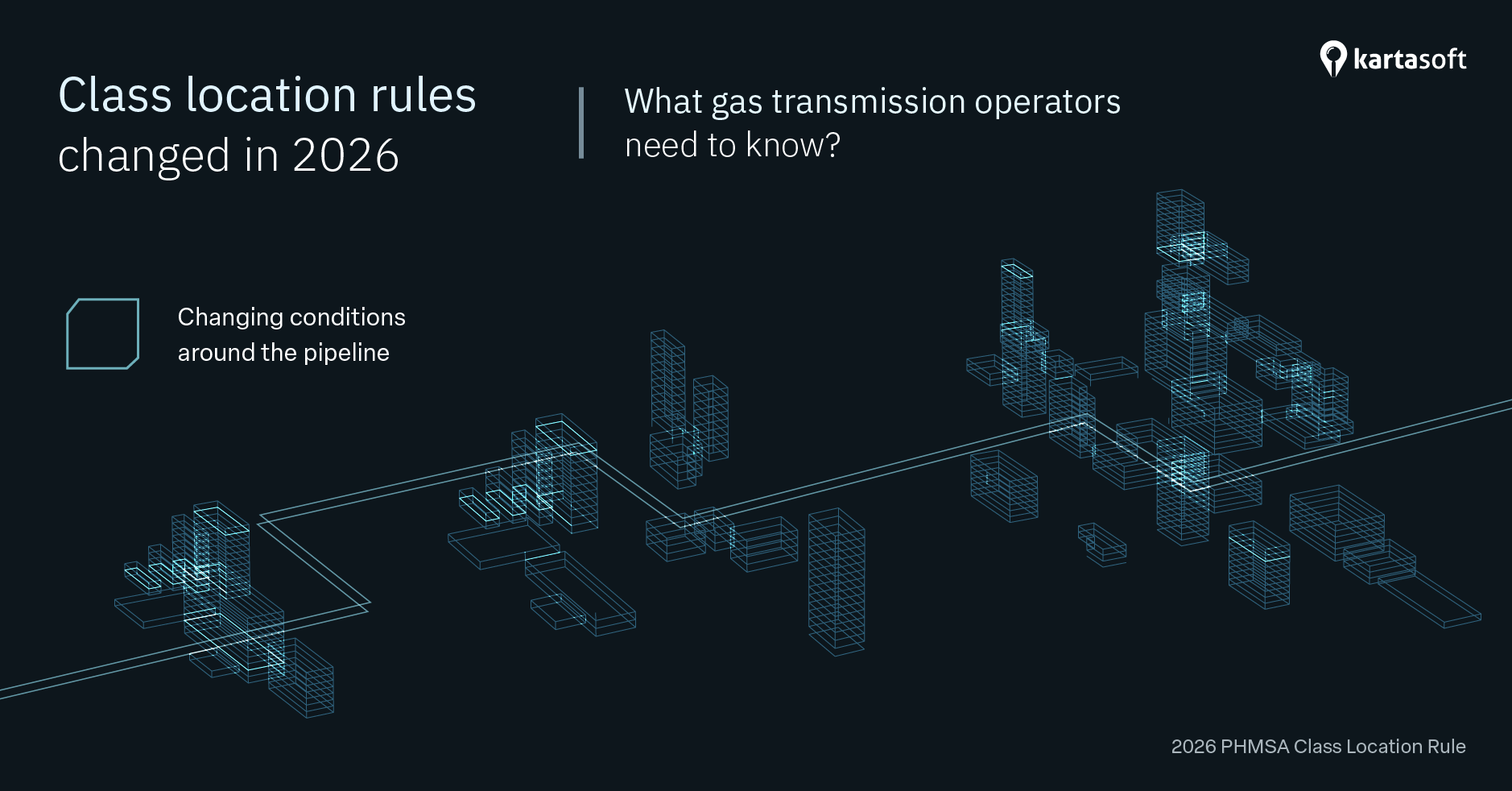
In January 2026, the Pipeline and Hazardous Materials Safety Administration (PHMSA) published its final rule on Class Location Change Requirements, effective March 16, 2026. The rule amended 49 CFR Part 192 and introduced an additional Integrity Management (IM) alternative under §192.611(a)(4) for certain eligible gas transmission segments that change to Class 3.
The change gives eligible operators another pathway for addressing Maximum Allowable Operating Pressure (MAOP) following a Class Location change. It does not make the IM alternative available to every Class 3 segment, nor does it require operators to forecast future Class Location changes.
For operators, the rule also brings a broader planning question into focus:
Once you understand the options available after a Class Location change, how much visibility do you have before that change requires attention?
What Changed Under the 2026 PHMSA Class Location Rule?
Class Location has long been part of the federal safety framework for gas pipelines. PHMSA uses Class Locations to apply safety standards according to population density around a pipeline. When population growth results in a Class Location change, operators may need to confirm or revise the MAOP of the affected segment.
Before the 2026 rule, §192.611 provided three principal options when the established MAOP was no longer commensurate with the newly determined Class Location: reduce MAOP, replace the affected pipe, or pressure-test the pipeline at the required test pressure.
The amended regulation adds a fourth pathway. Under §192.611(a)(4), certain eligible Class 3 gas transmission segments can use an Integrity Management alternative subject to initial and recurring programmatic requirements.
PHMSA estimates that the final rule will generate approximately $461 million in annual industry cost savings. The estimate is associated primarily with avoided pipe replacement and reduced reliance on special permits under the revised regulatory framework.
That figure belongs specifically to the economics of the regulatory change. It is not an estimate of savings attributable to Class Location forecasting, KartaSoft's approach, or any individual operator's implementation.
What Is the New Integrity Management Alternative Under §192.611(a)(4)?
What does §192.611(a)(4) change?
It adds an Integrity Management alternative for certain eligible Class 3 gas transmission segments. This gives qualifying operators an additional pathway for addressing MAOP following a Class Location change, subject to the requirements established by the rule.
PHMSA modeled the approach on its Class Location special permit program. An eligible Class 3 segment using the alternative must be designated as a High Consequence Area and comply withSubpart O, together with additional requirements specified in the amended regulation
Initial programmatic requirements address integrity assessment and remediation, pressure testing, material records verification, rupture mitigation valves, cathodic protection and coating, and depth of cover. Operators must also provide the required notification to PHMSA.
Recurring requirements cover gas quality, close-interval surveys, patrolling, leak surveys, line markers, Class Location studies, shorted casings, exposed pipe and weld examinations, and reassessment and remediation.
The key point is that §192.611(a)(4) adds another regulatory pathway. Existing response options remain available, while segments that do not meet the applicable criteria remain subject to the other pathways under §192.611 or, where appropriate, the Class Location special permit process.
Which Class 3 Gas Transmission Segments Are Eligible?
Does the new IM alternative apply to every Class 3 segment?
No. The alternative applies only to eligible Class 3 segments that meet the requirements established by the rule. A change to Class 3 alone does not make a segment eligible.
Under §192.3 eligibility criteria, eligibility is defined through specific pipeline characteristics. The rule excludes segments that contain bare pipe or wrinkle bends; have a longitudinal seam formed by lap welding or another method with a joint factor below 1.0; or have experienced an in-service leak or rupture due to cracking on the segment or on pipe with similar characteristics within five miles. A segment that experiences an in-service rupture or leak from the pipe cannot continue using the IM alternative.
The final rule separately defines an eligible Class 3 inspection area. This includes the eligible Class 3 segment and the portion of pipeline extending to the relevant upstream ILI launcher and downstream ILI receiver. The inspection area is used for specified Integrity Management assessment requirements.
This distinction matters. Eligibility of the Class 3 segment and the assessment requirements associated with the inspection area are related parts of the framework, but they are not the same definition.
For operators assessing whether the alternative applies, Class 3 status alone is therefore insufficient. The specific segment characteristics and associated inspection-area requirements need to be evaluated against the rule.
How Much Time Do Operators Have After a Class Location Change?
For operators using the new IM alternative, PHMSA establishes a 24-month deadline for completing the initial programmatic requirements. That period runs from the date of the Class Location change or from the rule's March 16, 2026 effective date, whichever is later.
This is more precise than saying operators simply “have 24 months to comply with a Class Location change.” The timing applies specifically to the requirements associated with using the new IM alternative.
PHMSA also issued a correcting amendment in May 2026 to clarify the timing for MAOP restoration. Under §192.611(d), confirmation or revision of MAOP required following a study under §192.609 must be completed within 24 months of the Class Location change. If an operator later decides to restore MAOP using the IM alternative, the date of that decision is treated as the date of the Class Location change for purposes of implementing the applicable requirements.
The regulation therefore provides a framework for what operators can do once a relevant Class Location change has occurred.
The planning question starts earlier: How much visibility does an operator have before reaching that point?
Why Class Location Change Is Also a Planning Problem
Class Location reflects what exists around the pipeline. As development occurs around a gas transmission corridor, the conditions relevant to that classification can change.
A Class Location determination captures the network at a particular point in time. The development that eventually affects it can accumulate over time through new construction, expansion of existing development and changing patterns of occupancy around the pipeline.
That creates a planning issue alongside the regulatory one.
Once a Class Location change requires attention, engineering teams can evaluate the applicable requirements and response pathways. Visibility into developing conditions may give them more time to examine the relevant information before reaching that point.
PHMSA does not require operators to forecast Class Location change. Forecasting is not part of the new regulatory obligation.
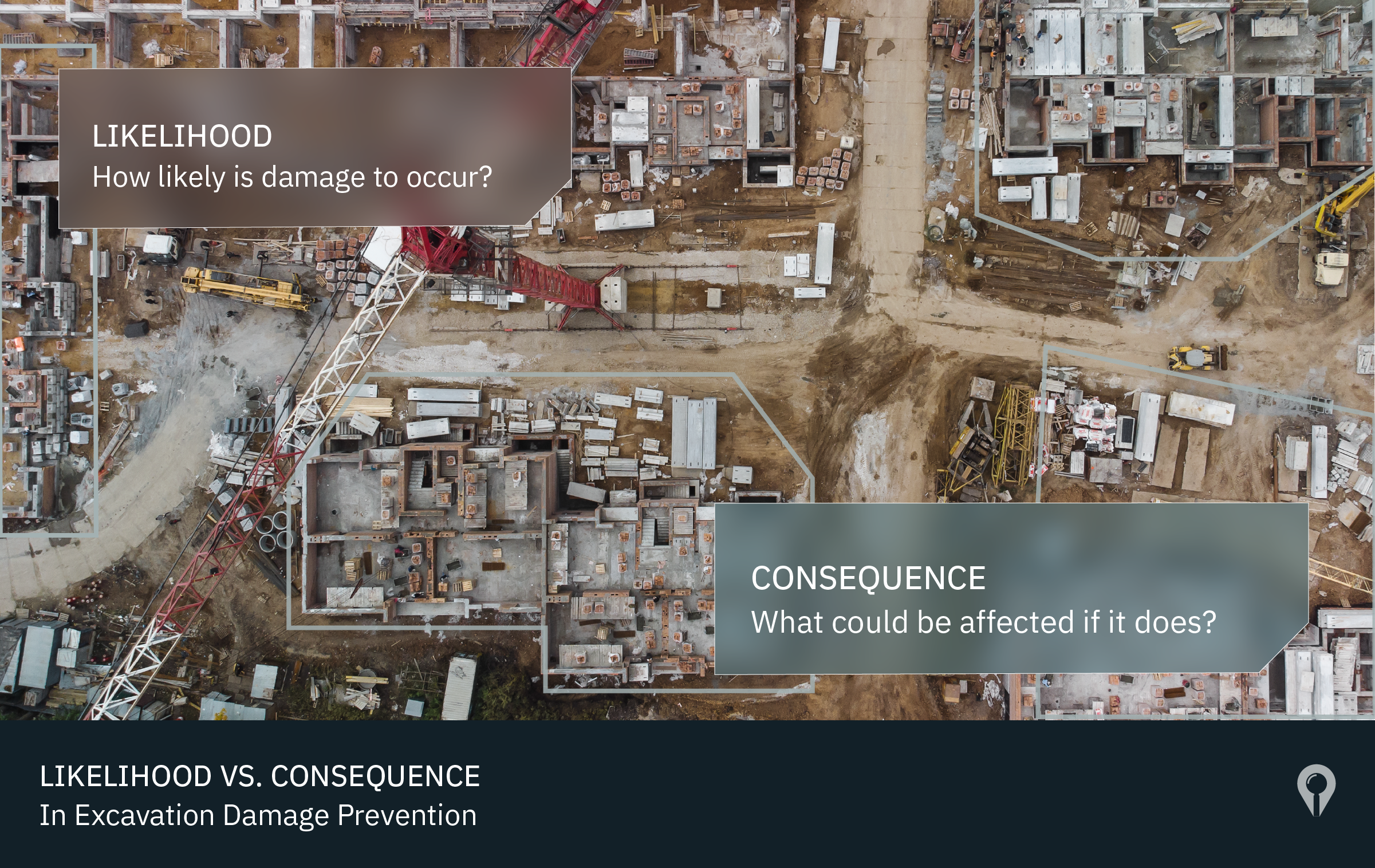
The planning question is separate: how much visibility does an operator have into the conditions that could affect future Class Location?
What Could Earlier Visibility Change for an Operator?
Earlier visibility does not determine whether a Class Location change has occurred, select the appropriate regulatory pathway or replace engineering judgment.
What it can provide is a planning runway.
If teams can identify areas where conditions relevant to Class Location may be changing, they can determine where closer review is warranted. That can provide more time to examine the underlying information, understand the developing situation and prepare for the engineering and regulatory evaluation that may follow.
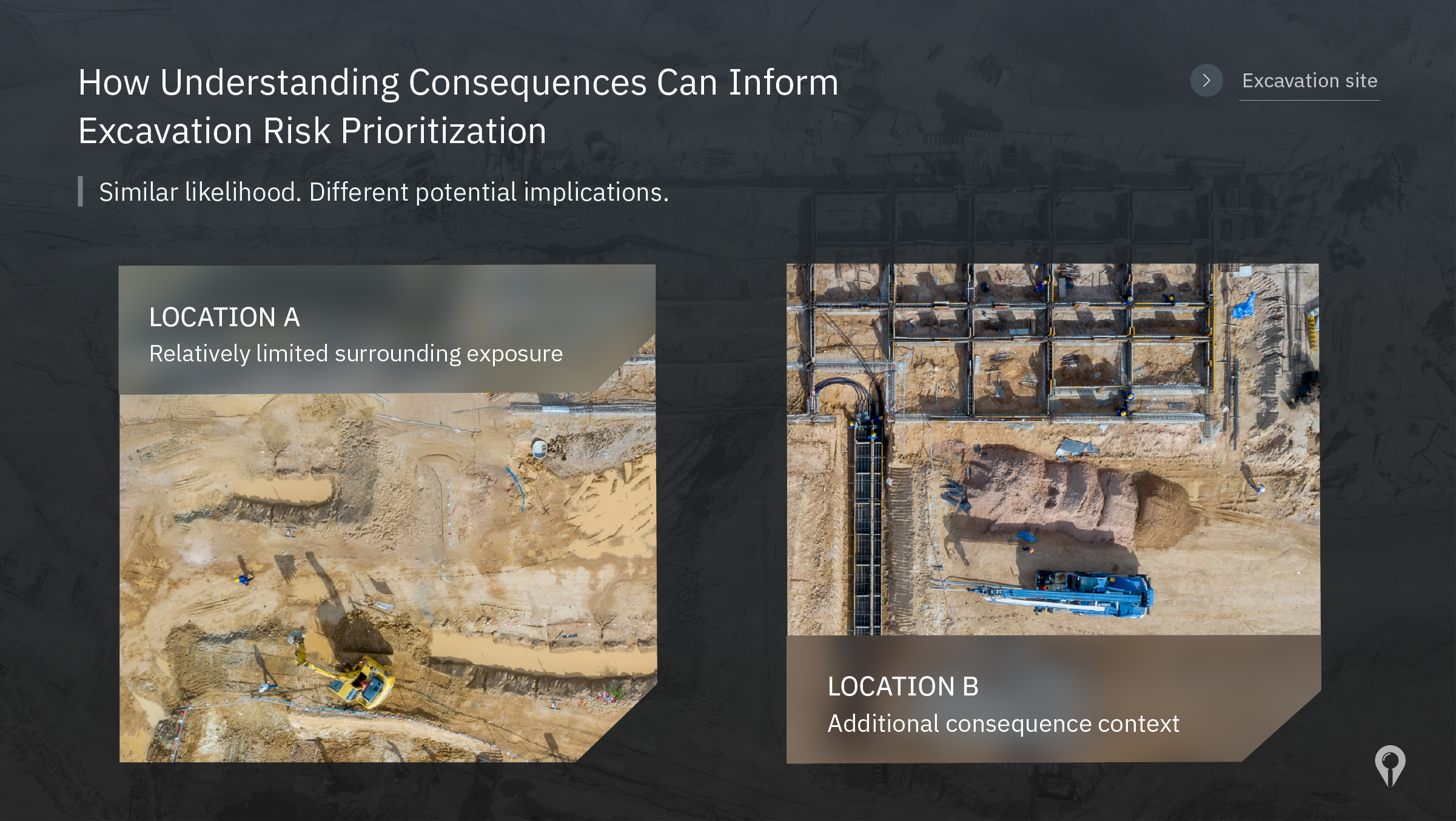
Across a large gas transmission network, development will not occur uniformly along every corridor. The practical question becomes where attention is warranted first.
Earlier visibility can help teams ask that question sooner: Where should we be looking more closely now?
How KartaSoft Is Looking at the Class Location Planning Problem
KartaSoft's work on Class Location Intelligence starts with understanding the network as it stands today and how the conditions around it are changing.
At this stage, the focus is on bringing existing Class Location information into a clearer operational view and examining change over time, giving operators additional context around areas that may warrant closer attention.
The regulatory and engineering decisions remain with the operator. KartaSoft is exploring how information already available to operators can provide a clearer view of the developing planning problem.
That distinction is particularly important because Class Location Intelligence is still at an early stage. The relevant test is whether the approach can produce information that operators can evaluate against what they know about their network and use to inform further investigation.
That is the standard KartaSoft is applying to its own work on Class Location Intelligence. At this stage, that means establishing the current picture clearly before asking what a forward-looking view might add.
From Knowing Today's Class Location to Planning for What Comes Next
The 2026 PHMSA rule gives eligible gas transmission operators an additional Integrity Management pathway for addressing certain Class Location changes.
It also provides a useful reason to examine the planning process around Class Location more closely.
Knowing the current Class Location tells an operator where the network stands today. Understanding how the conditions around that network are evolving can provide additional context about where attention may be needed next.
For operators managing that challenge across a gas transmission network, that is a question worth asking before the next Class Location change demands an answer.
If Class Location change is becoming a planning challenge across your gas transmission network, talk to the KartaSoft team about how we are approaching the problem.