How Physics-Informed Operational Analytics Fits into Existing DRA Engineering Programs
How additional operational evidence strengthens existing engineering programs.
Engineering teams don't spend years refining DRA operating procedures simply to replace them when a new analytical capability appears. Mature DRA programs represent years of operational experience, engineering judgement, and lessons learned under real operating conditions.
When a new analytical capability is introduced, the first question is usually practical: How does this fit into the way we already work?
Why Existing Engineering Programs Matter
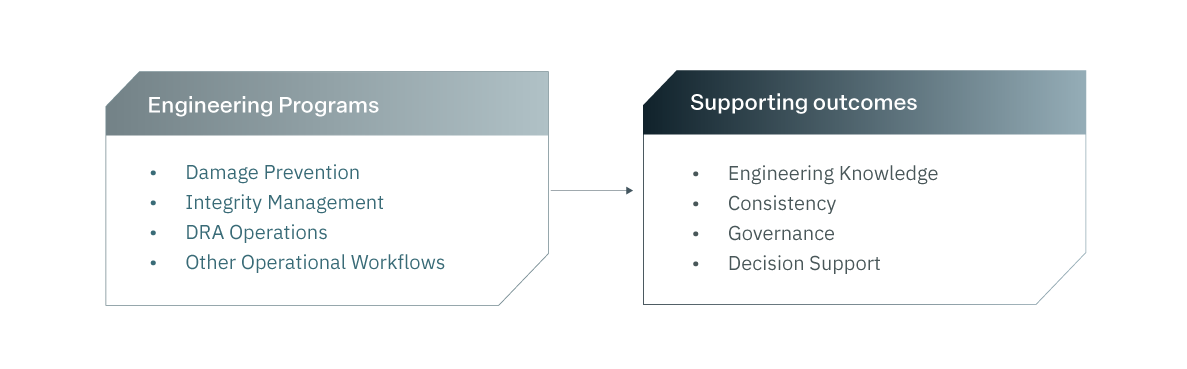
Engineering programs exist because they provide consistency. They help teams apply engineering judgement in a structured way, support governance and regulatory compliance, and preserve operational knowledge accumulated over years of experience.
Rather than competing with those programs, any new analytical capability needs to strengthen the decisions they already support.
Where Existing Programs Reach Their Limits
No engineering program is designed around permanently static conditions.
Flow changes. Pressure shifts. Product batches change. Equipment configuration evolves. Operating conditions that once matched the assumptions behind a workflow gradually move over time.
That doesn't mean the program was incorrect when it was developed. It means the assumptions that informed those decisions benefit from periodic evaluation against the way the system is operating today.
The process remains valuable. The operating context continues to evolve.
How Physics-Informed Operational Analytics Adds Operational Evidence
Physics-informed operational analytics is designed to support ongoing evaluation.
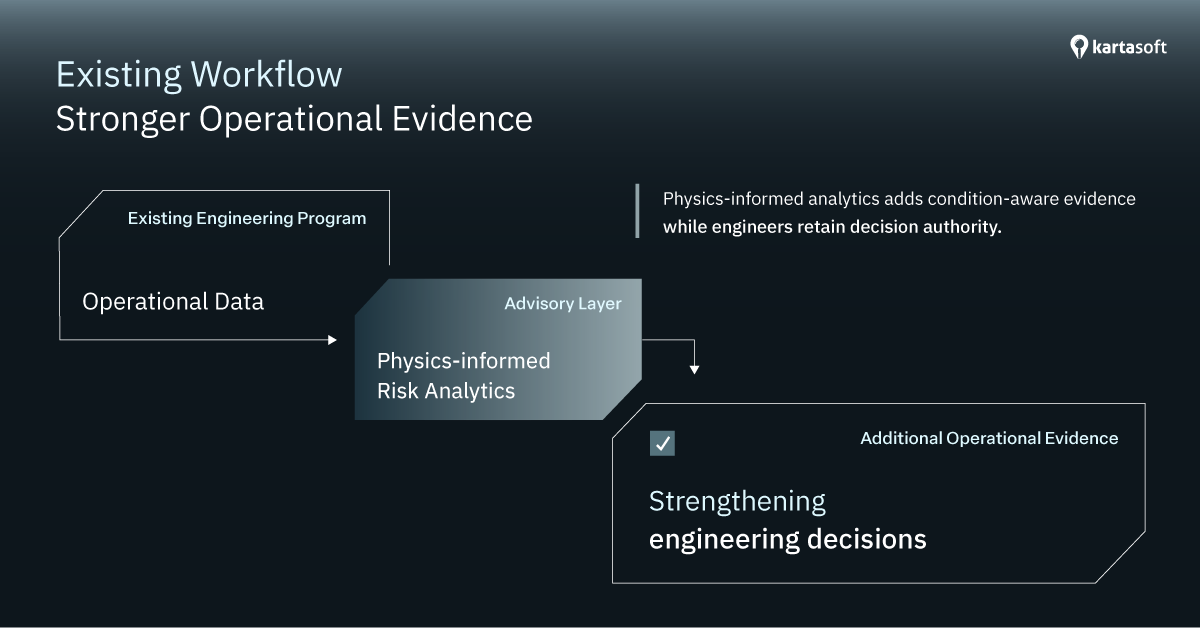
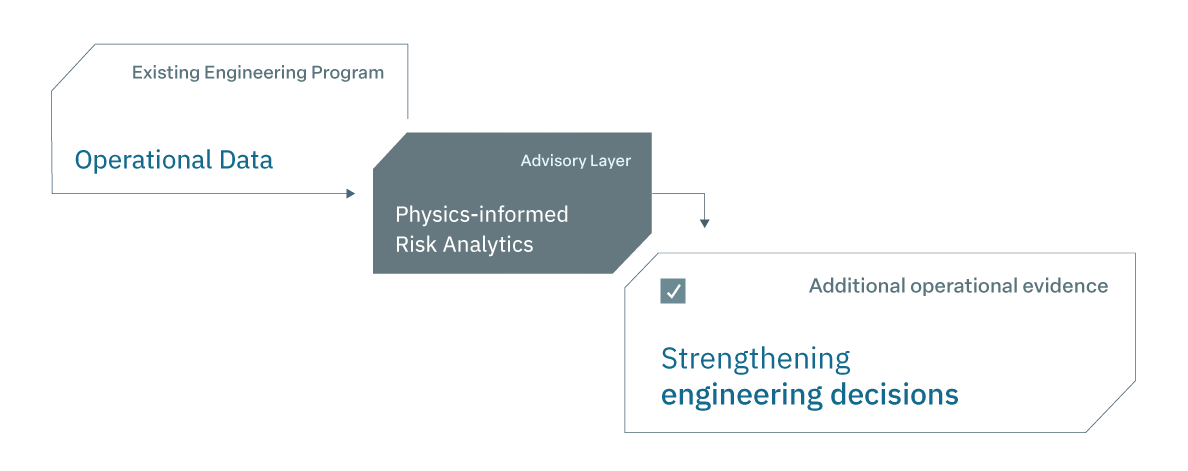
Using existing operational data, it compares current operating conditions with the physical behavior expected from the system under those conditions. When operating assumptions begin to diverge from observed system behavior, the result is additional operational evidence that engineering teams can incorporate into existing decision-making processes.
Engineering judgement remains central throughout the process. Engineers still evaluate the evidence, interpret the operational context, and make the final decision.
What changes is the quality of information available before that decision is made.
Dynamic DRA Intelligence: An example of Physics-informed AI applications
Dynamic DRA Intelligence demonstrates how this implementation philosophy can be applied in practice.
Using existing operational data, including SCADA information, batch tracking, and hydraulic behavior, the platform evaluates current operating conditions against the assumptions behind an existing DRA strategy. The objective is to help engineering teams understand whether those assumptions continue to reflect the way the pipeline is operating today.
The implementation is designed to work within established engineering programs. It operates as a read-only advisory layer, supporting engineering review without requiring changes to existing control systems or operating workflows.
Rather than introducing a new decision-making process, it provides additional operational evidence that engineers can evaluate alongside the information they already use.
What Actually Changes
Introducing physics-informed AI changes the quality of operational information available to engineering teams, while allowing existing engineering programs to continue performing the role they were designed for.
Teams gain:
- More operational evidence before engineering decisions are made.
- Better visibility into how changing operating conditions affect existing assumptions.
- Greater confidence when evaluating whether current operating practices continue to reflect real system behavior.
The engineering process remains familiar. The decisions remain with the engineering team. What improves is the operational context available to support those decisions.
Conclusion
Engineering programs do not become obsolete because new analytical methods emerge. They become more effective when additional operational evidence helps engineers evaluate changing conditions with greater confidence.
Across excavation risk, pipeline integrity and DRA optimization, the underlying objective remains remarkably consistent: helping engineering teams make better operational decisions using better operational evidence.
Physics-informed risk analytics contributes to that objective by strengthening the information available to existing engineering programs while respecting the engineering judgement, governance and operational experience those programs already represent.
Explore the Approach
Dynamic DRA Intelligence demonstrates one practical implementation of this approach using existing operational data and established engineering workflows.
Explore how the methodology works in practice:
Dynamic DRA Intelligence: https://www.kartasoft.com/kartasoft-dynamic-dra-intelligence
If your team is evaluating how additional operational evidence could strengthen existing engineering programs, we welcome the opportunity to compare approaches and discuss how physics-informed risk analytics can support your operational objectives.